
Frosted oak leaves, woodsmoke from a tin-roofed teashop, and a Himalayan rubythroat that arrives like a struck match.
It is the third week of December and Sattal — the seven lakes — has folded itself into the kind of cold that only the Kumaon foothills know. Not the dry, cracking cold of the plains, but something softer, breathed out by the oak forest itself. Mist sits low on the water until the sun finally gets a hand under it and lifts it off the surface, leaf by leaf, in slow rotations of pale gold.
We start before the sun does. Tea in glass tumblers in a tin-roofed shack a kilometre below the hide; the road still half-frozen; the headlights of the jeep catching nothing but our breath.
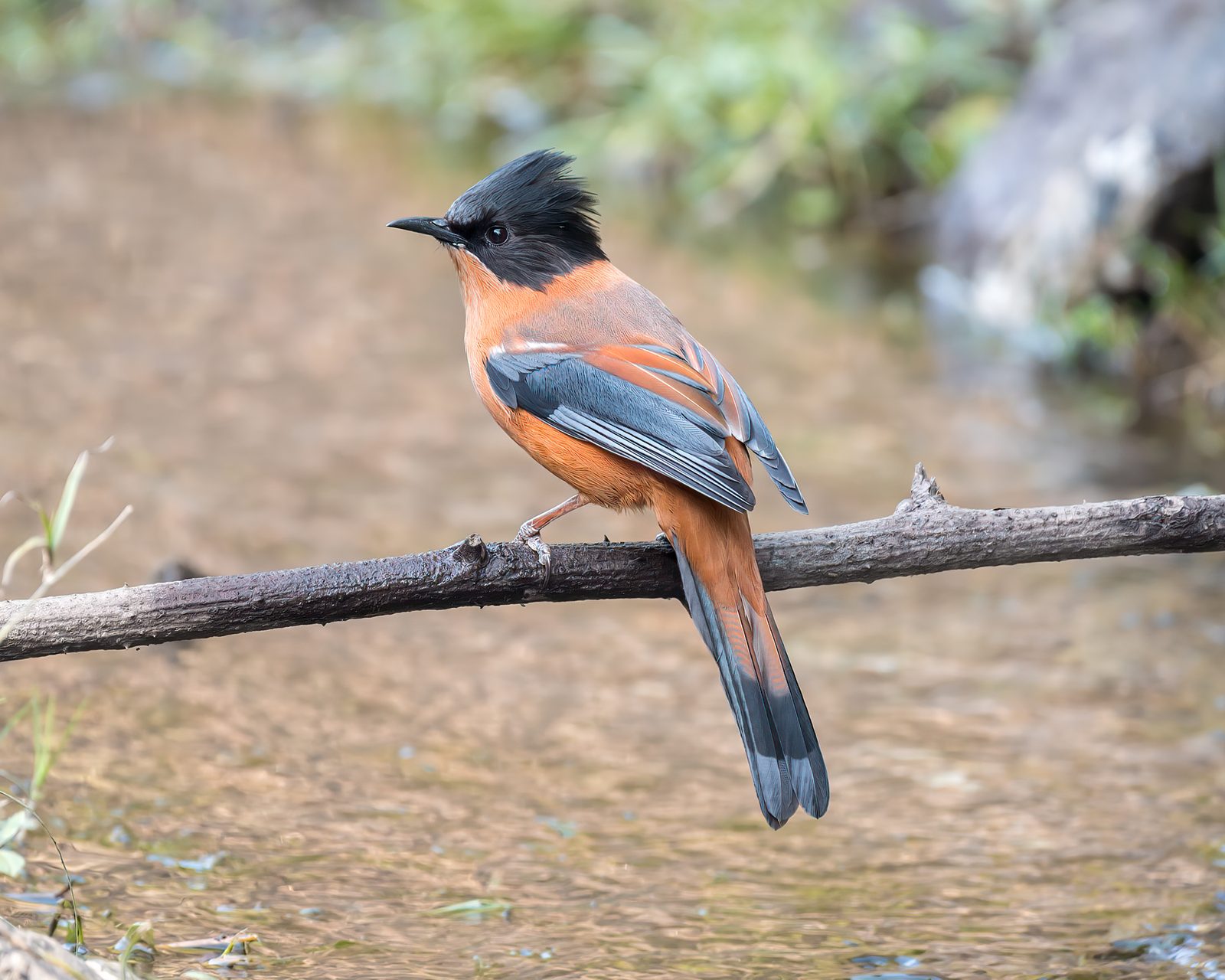
The hide is a wooden box with a slot, a bench, and a single bulb that nobody bothers to switch on. Inside, you wait. The forest takes its time deciding whether to introduce itself. A White-throated Laughingthrush coughs once, somewhere uphill. A Rufous Sibia threads through the rhododendron above. And then, with no particular fanfare, a Himalayan Rubythroat steps out of the undergrowth and onto a moss-covered stump, and the whole forest seems to hold its breath. The rubythroat doesn't. He sings — a quiet, articulate sub-song — and then, satisfied that the morning is in order, he lifts his ruby chin to the light.
The best wildlife photographs are often made by people who have decided to wait an extra forty minutes.
The cast of a Kumaon December
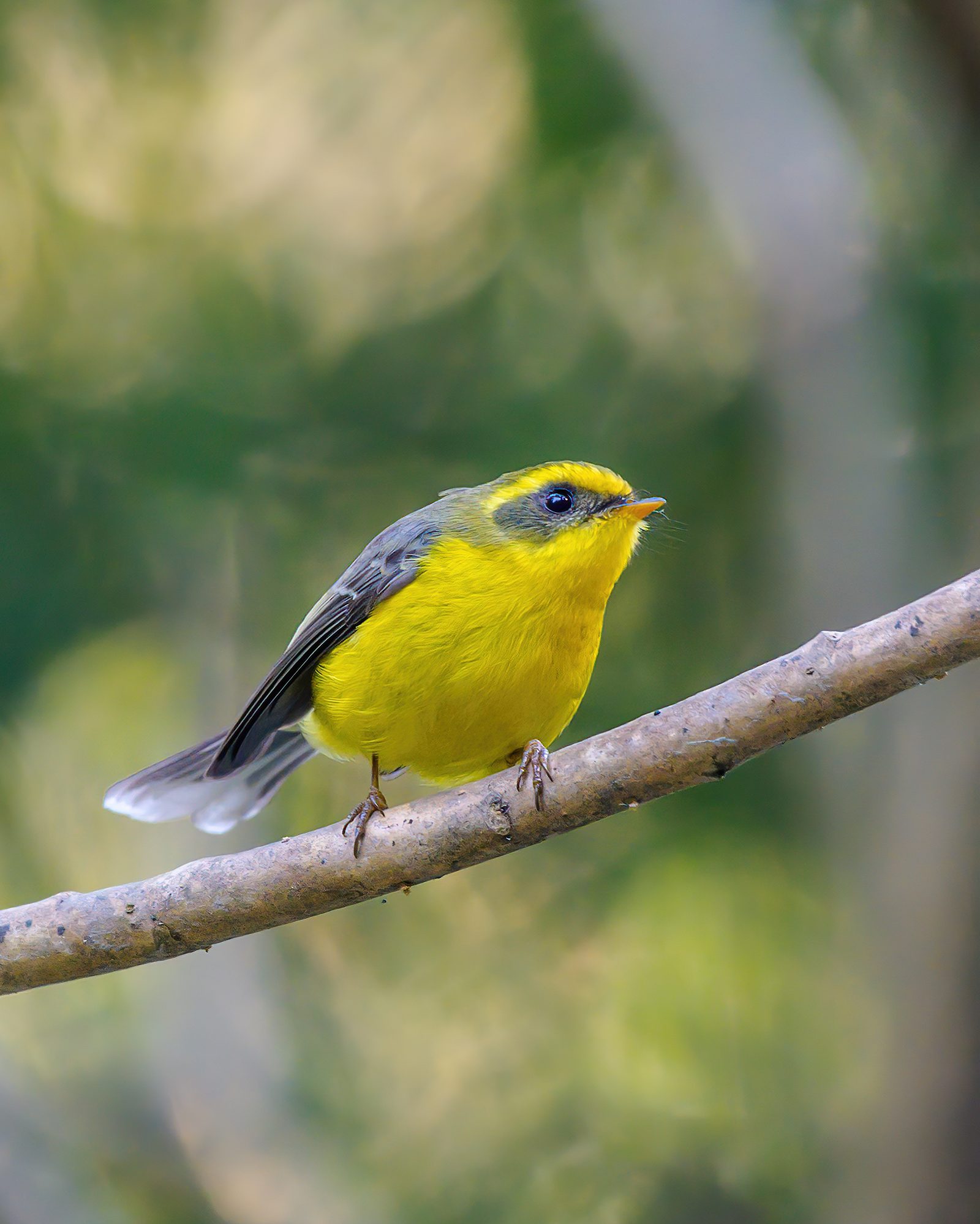
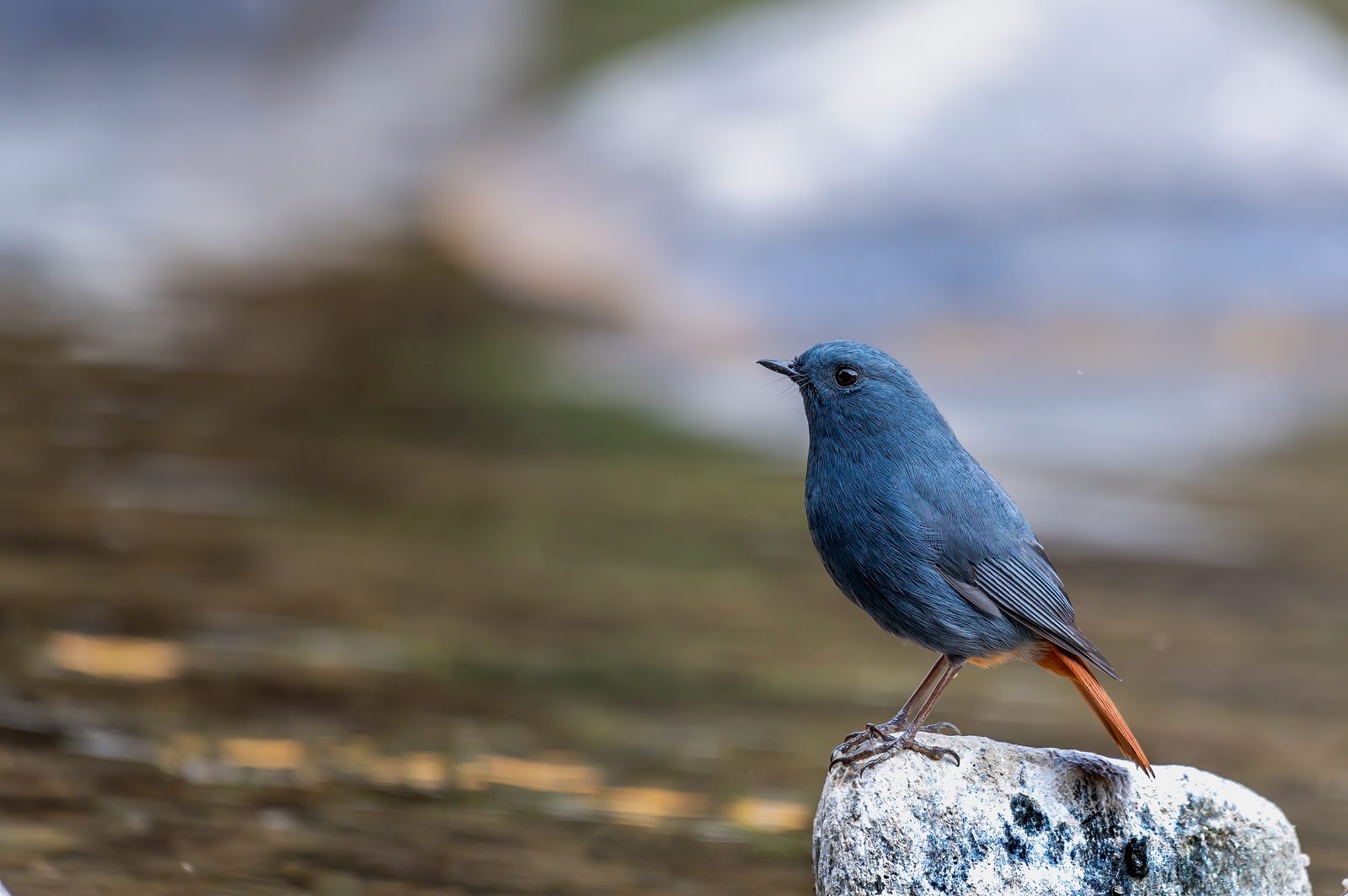
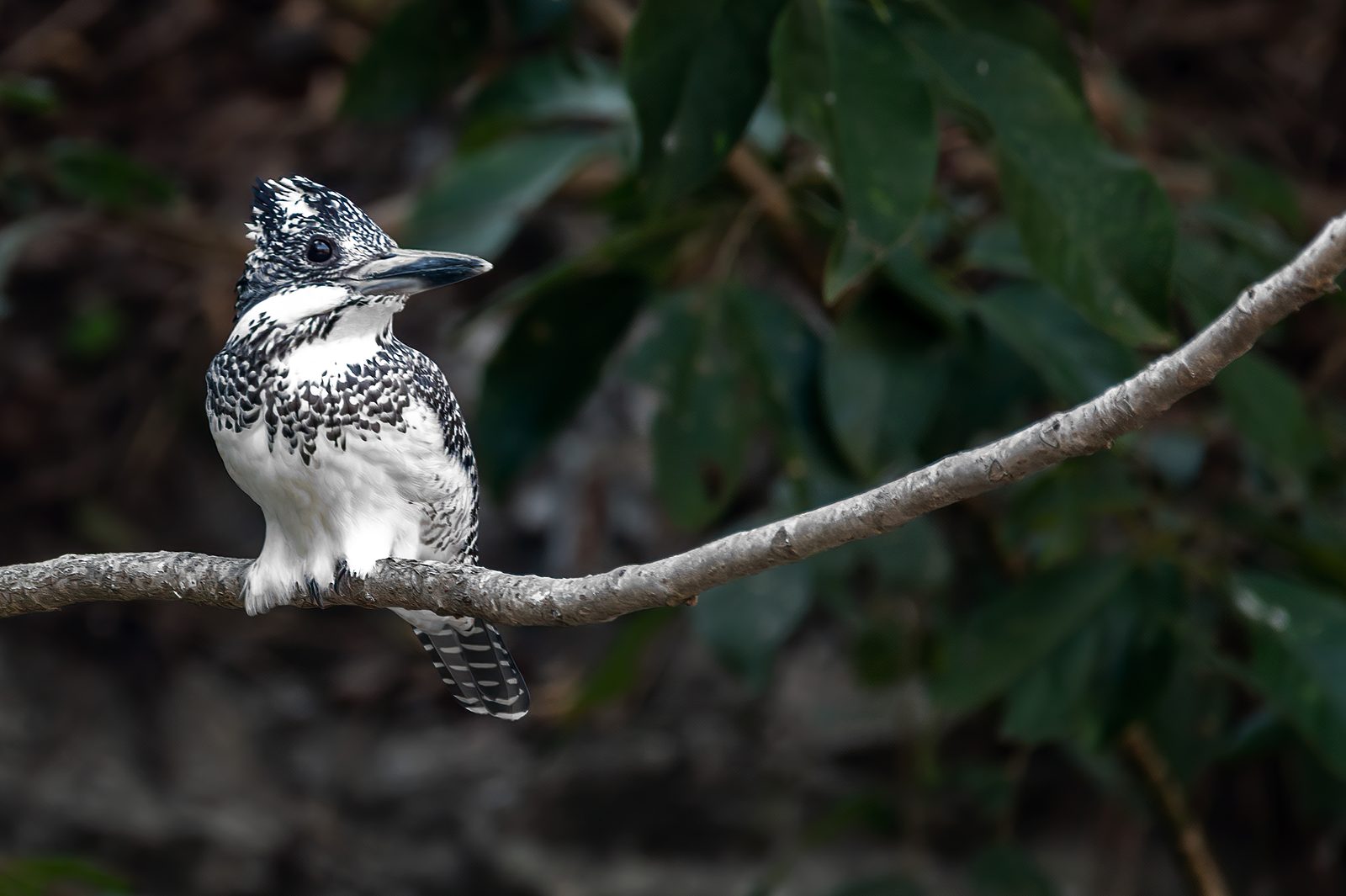
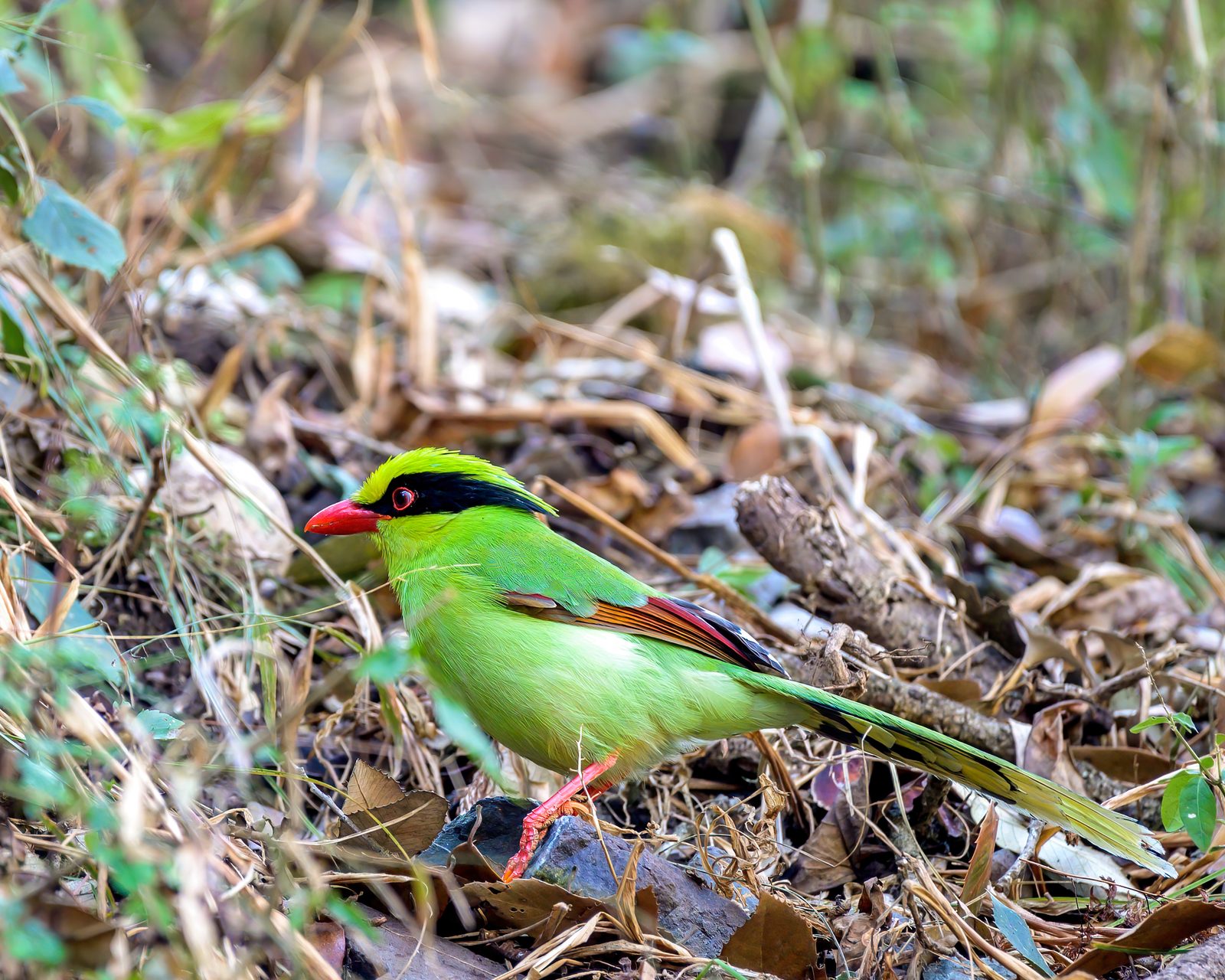
Sattal in midwinter is a kind of long, slow audition for the Himalayan understory. Over five mornings we watched, without rushing, the forest's regulars come and go: the Plumbeous Redstart bobbing his rust-orange tail on a stream stone; the Crested Kingfisher — that improbable monochrome punk-rocker — on his sentinel branch above the brook; the Common Green Magpie, an unreasonable shade of apple-green, looking too tropical for a forest that smells of pine.
Mid-morning, when the light gets too hard, we walked the lake-edge paths, where the rhododendron is still tight-fisted with its flowers and the Slaty-blue Flycatcher sits in shadow. Little Forktails work the stream below the path — small, restless monochrome scribbles against wet stone. A Brown Dipper floats downriver and disappears, the way all dippers do, by simply walking under the water and not coming up where you expected.
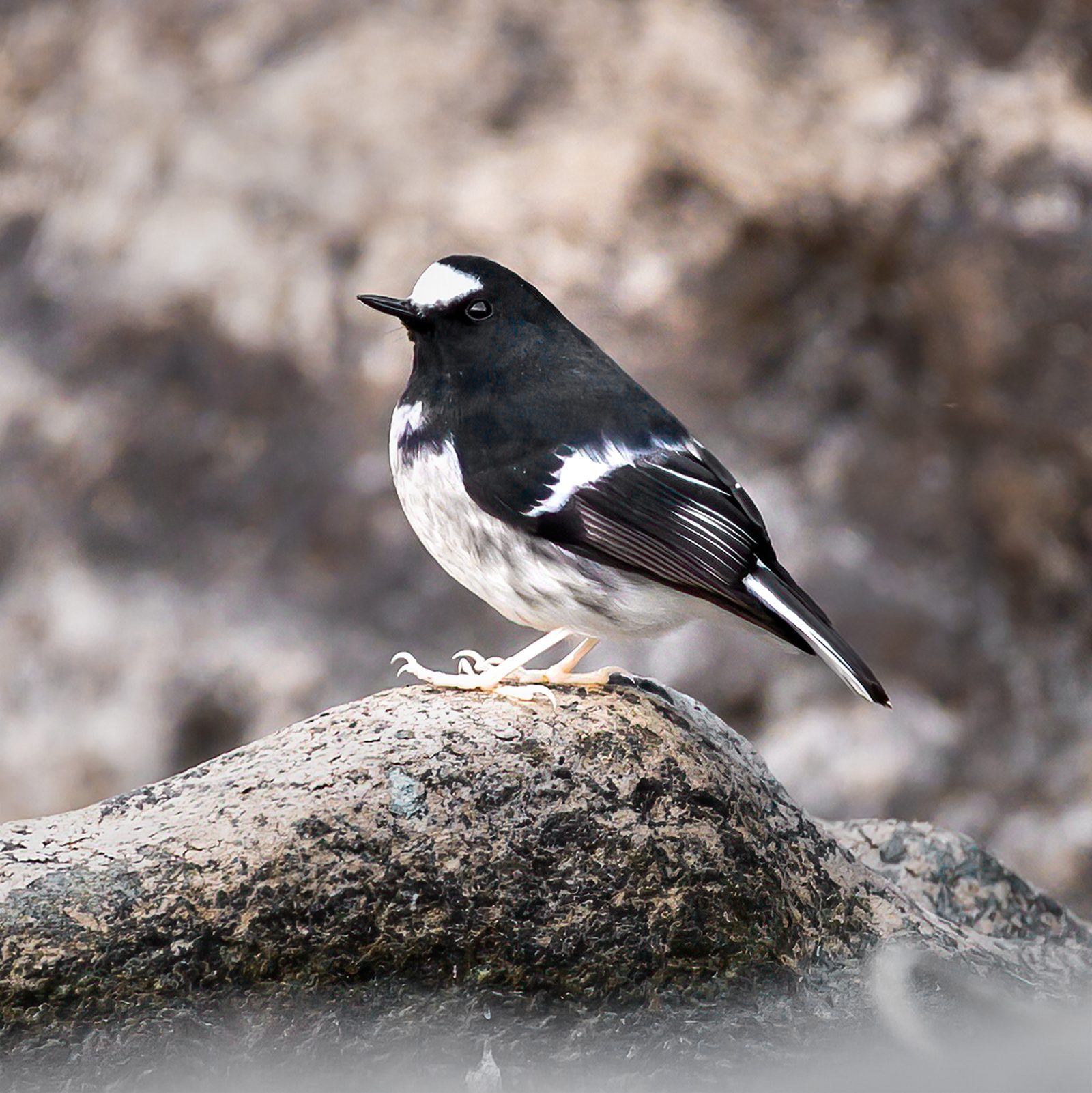
The Pheasant Hour
Late afternoons are for pheasants. Sattal has a quiet, generous secret: if you walk a particular ridge above the lakes at the right hour, in the right silence, the Koklass Pheasant will eventually decide you are a stump and emerge to scratch through the leaf litter twenty feet from your feet. The Kalij comes more readily, often in family parties — the male a glossy purple-black with a curling crest, the female a study in chestnut and barred grey. We watched a male Kalij high-step across a fallen oak as if he had a small appointment to keep. He probably did.
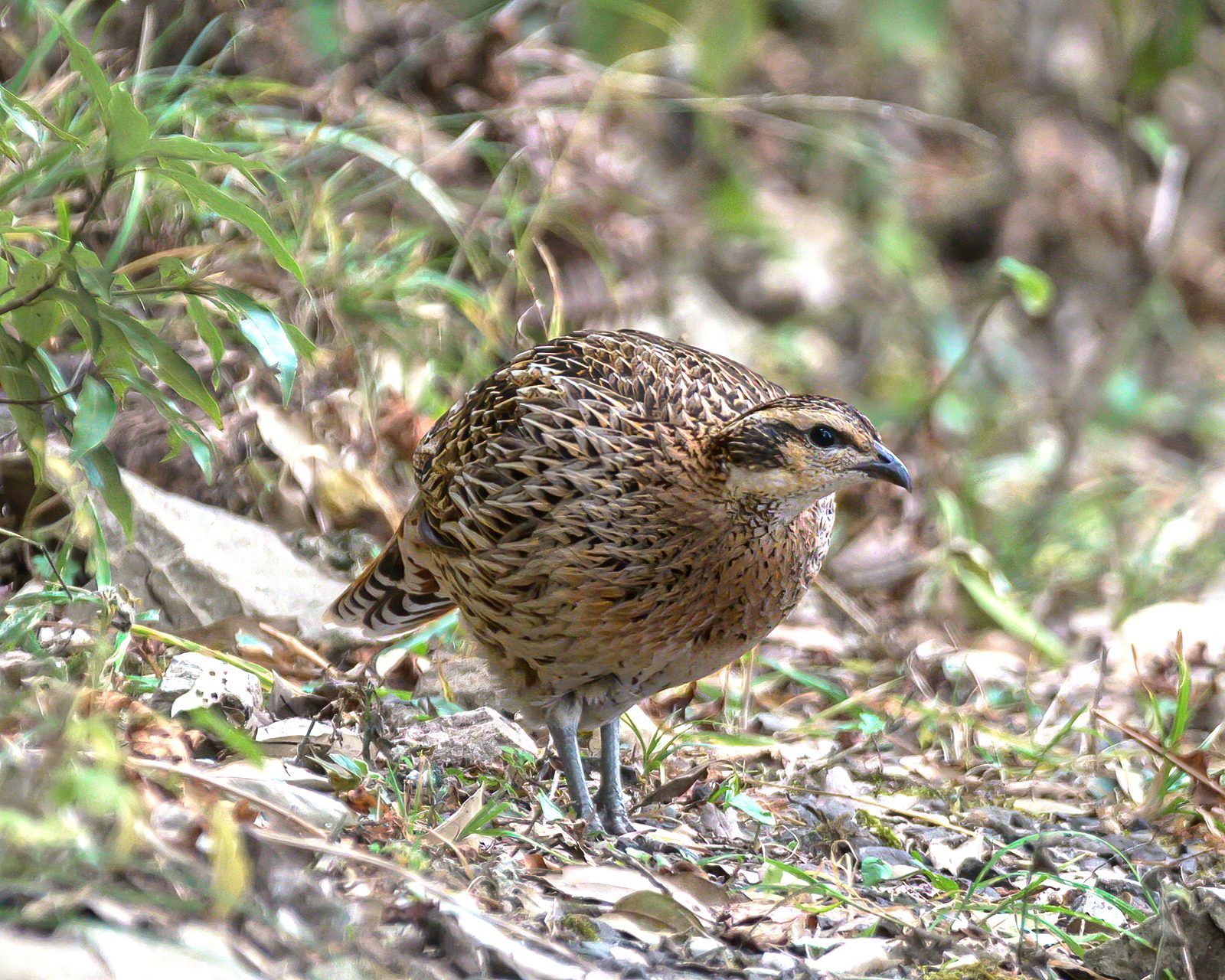
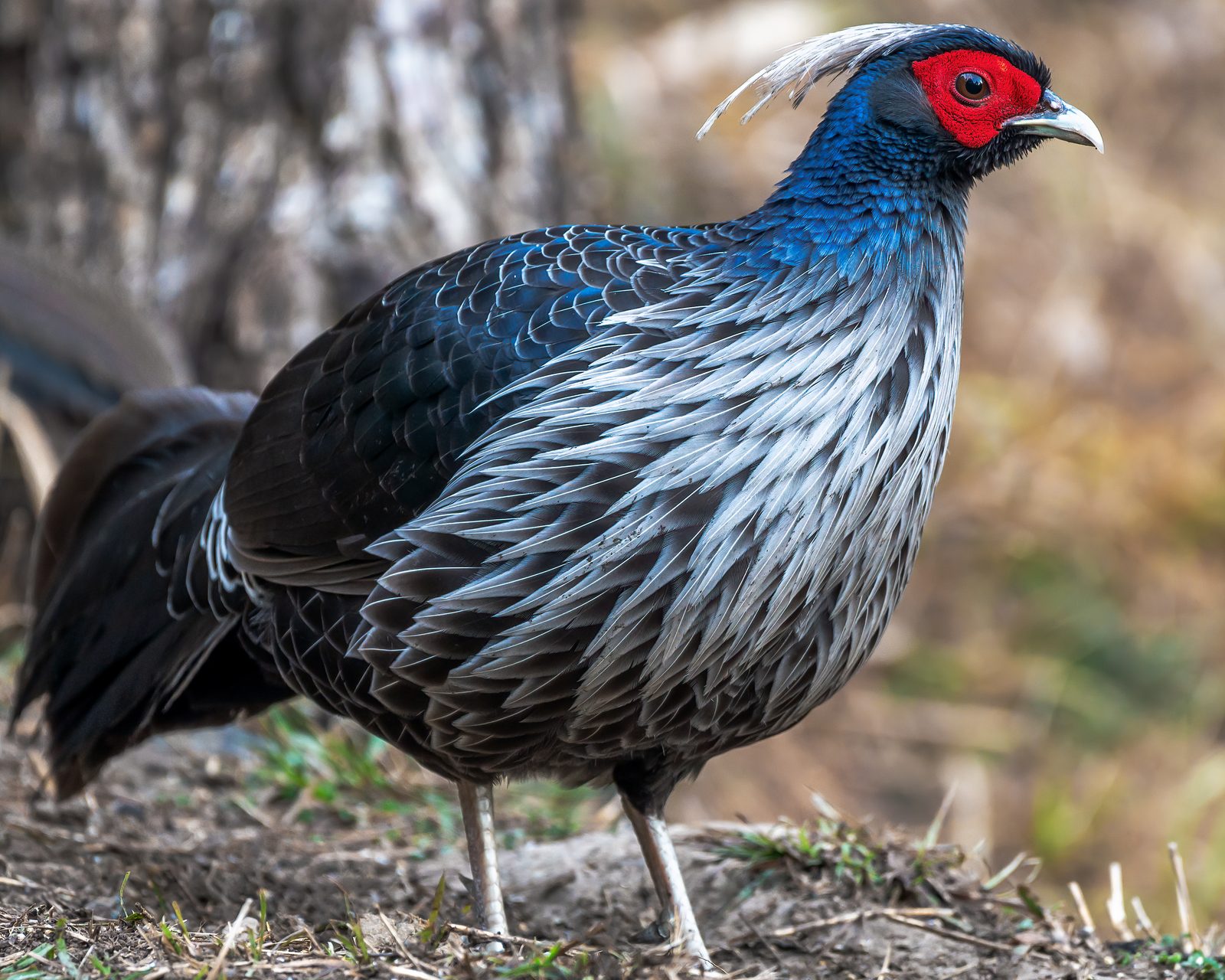
What it felt like
There is a particular calm that settles into a forest when nobody is in a hurry. The hide does that to you. The cold does that to you. Hours slip past and you measure them in cups of tea, or in the slow rotations of the sun across the lake, or — best of all — in the small theatre of one bird returning, over and over, to the same favourite stone.
We came home with a hard-drive of pictures and the deeper, slower thing: the smell of rhododendron leaf-litter on cold fingers, the steam off a tin tumbler at 5 a.m., and the memory of a rubythroat lifting his chin to the morning as if he had organised the whole show himself.
Want to walk this trail?
Sattal Birding
If this story made you want to plan a similar journey, send me a quick message on WhatsApp. I'll come back with dates, a vehicle plan, and a quote tailored to your camera and your calendar.