
Spring leaves unrolling, ultramarine flycatchers passing through, and three patient evenings with a Brown Wood Owl.
April in Sattal is a different forest. The cold has loosened its grip; the rhododendron has given up its red and the new oak leaves are unrolling in pale, almost translucent green. The streams are full and noisy with snowmelt. The birding is no longer the long, patient siege of December — it is faster, brighter, full of passage migrants and sudden colour.
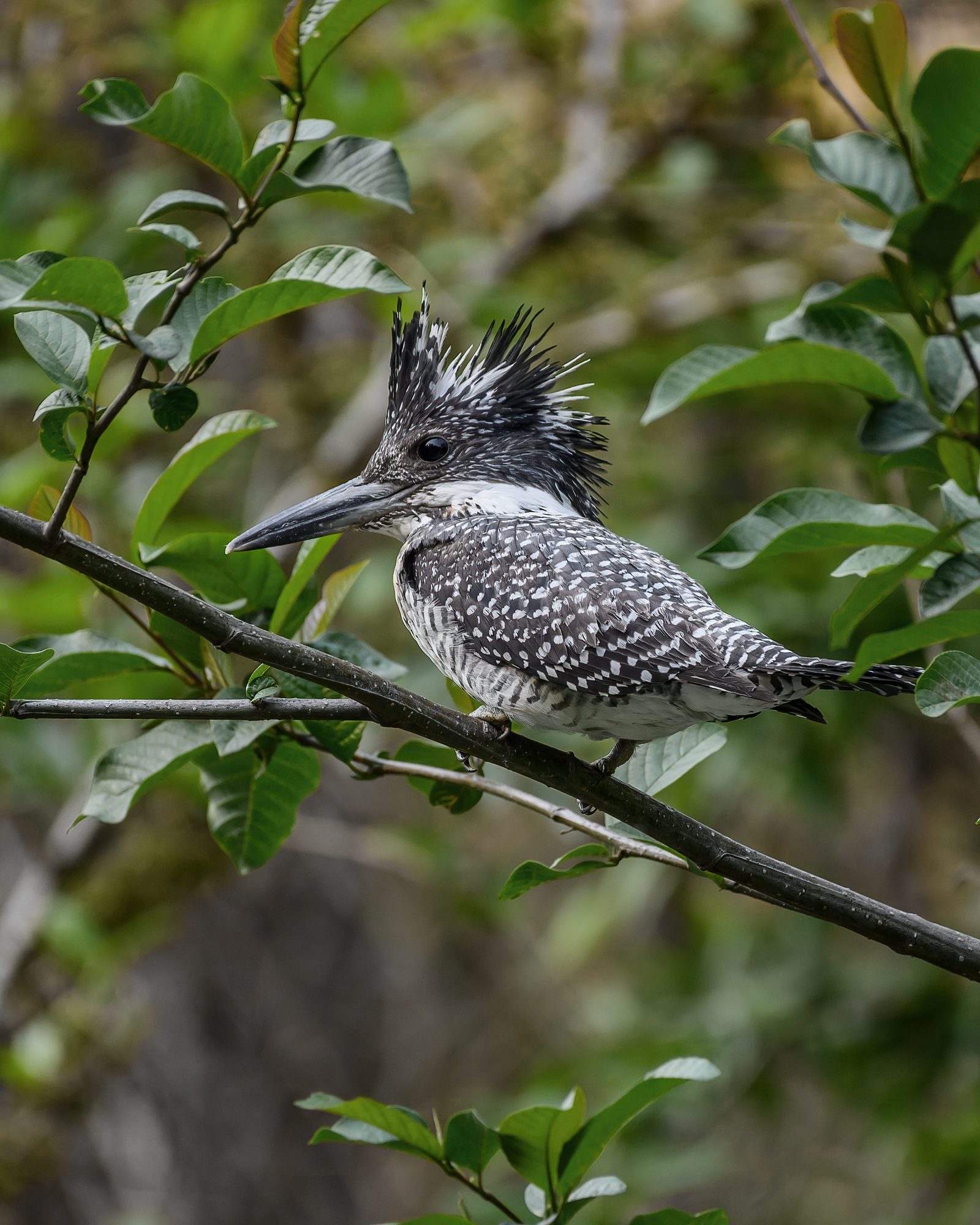
We are here for three days. The plan, as always, was modest: walk the streams in the morning, work the hide through the heat, look for owls before dinner.
An ultramarine surprise
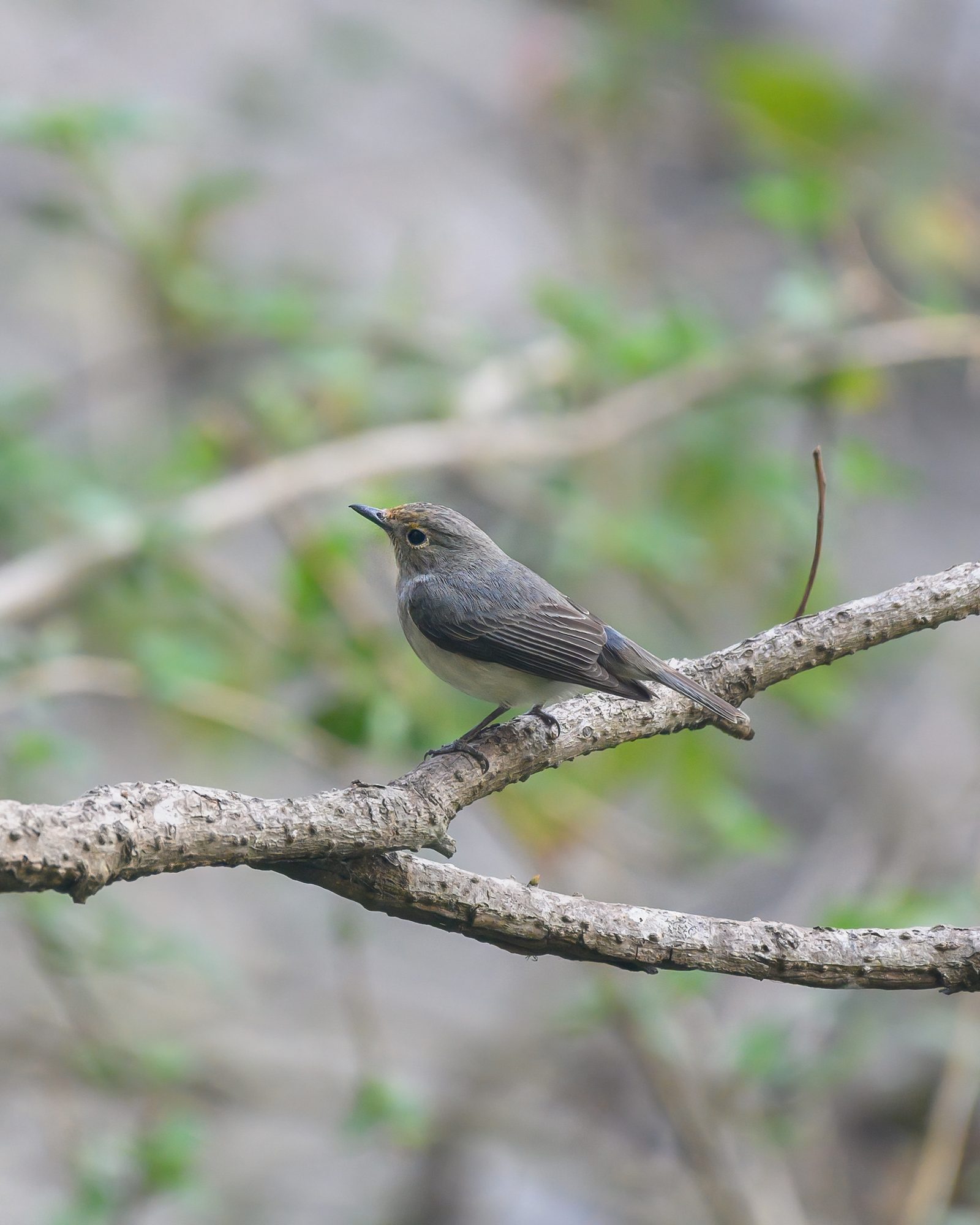
On the first morning, halfway down the path to the lower stream, the forest gave us an unexpected gift: an immature male Ultramarine Flycatcher — a bird usually further west and higher up — flickering between two oak branches in the dappled light. He did not stay long. He did not have to. The image of that small flake of blue-against-green will outlast a great many sharper photographs.
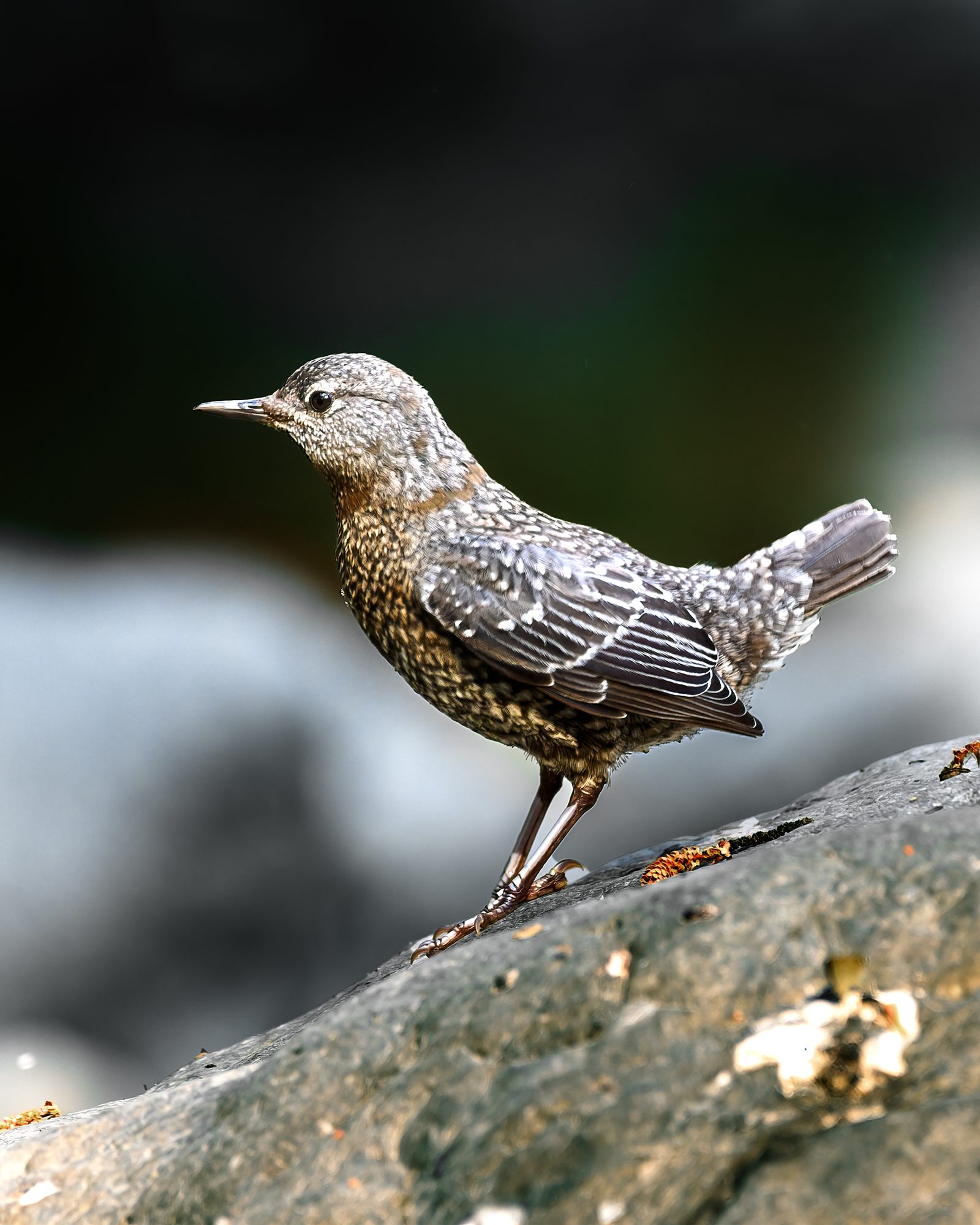
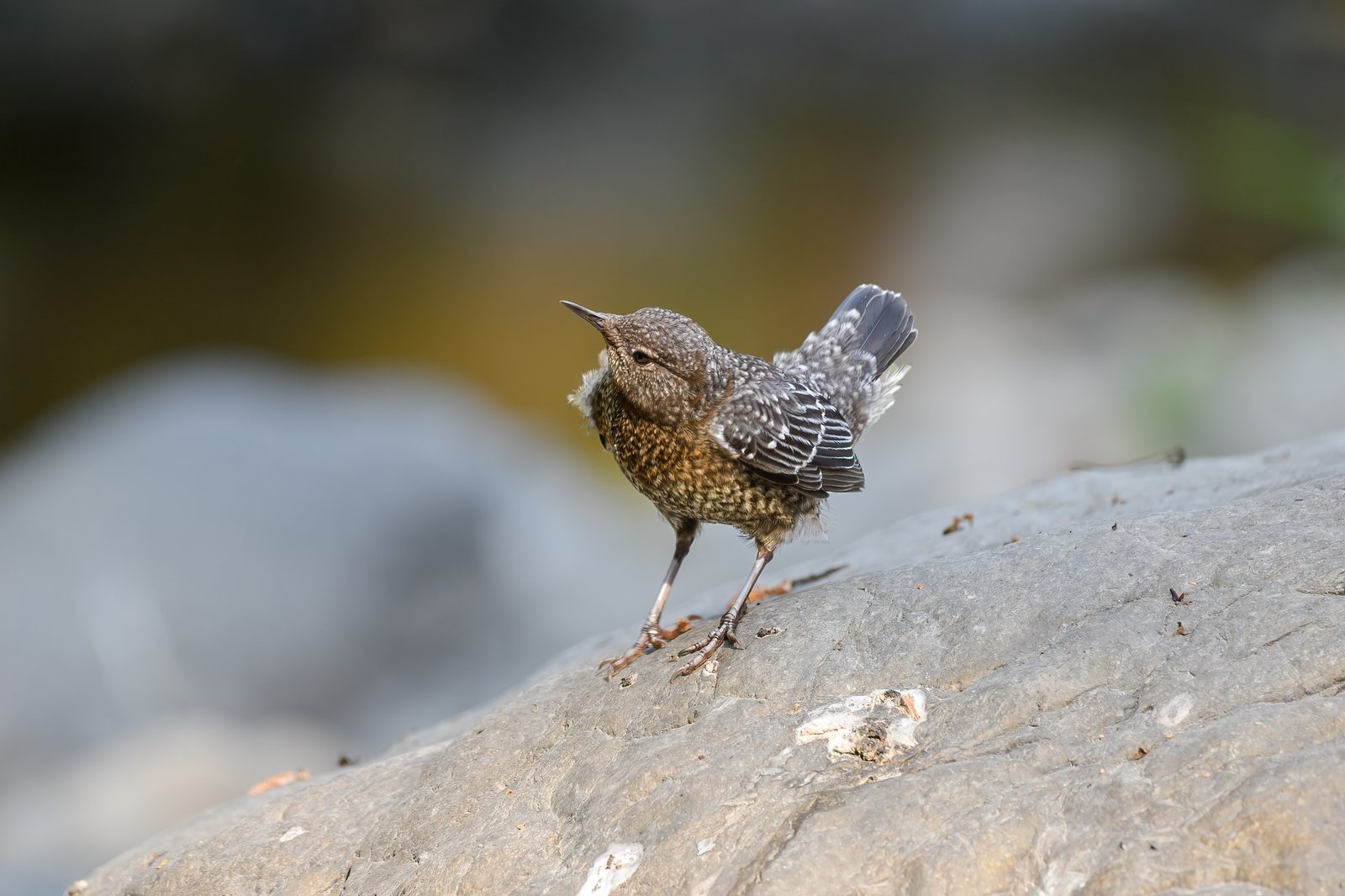
The streams in April belong to the Brown Dipper. We watched a juvenile bobbing on a smooth stone, working out — visibly — what to do with the river. He would step in, get carried, scramble back up, shake the water off, and try again. The river was patient, the way only rivers are.
The owl in the oak
But this trip will be remembered for the owl. On the second evening, our guide — a quiet man who has been walking these forests for three decades — stopped on the path and tilted his head. He said one word, very softly: 'Bawan.' Wood Owl. We backed twenty feet down the path, sat down on a moss-edged log, and waited. For perhaps four minutes nothing moved at all. And then, without warning, the entire understory rearranged itself around a single dark shape: a Brown Wood Owl — perhaps the most beautifully patterned night-bird of the Indian forests — sitting impassively on a horizontal oak branch, looking at us with that unblinking, monumental composure that owls have.
An owl, looked at, has the gentle but absolute gravity of an old painting.
We came back to the same oak the next two evenings. He came back, too — once just before sunset, once after, his chocolate-brown plumage barely separable from the bark behind him. The third evening we left him there. Somewhere in the same forest, far from any path, a smaller Asian Barred Owlet was already calling, opening up the night-shift.
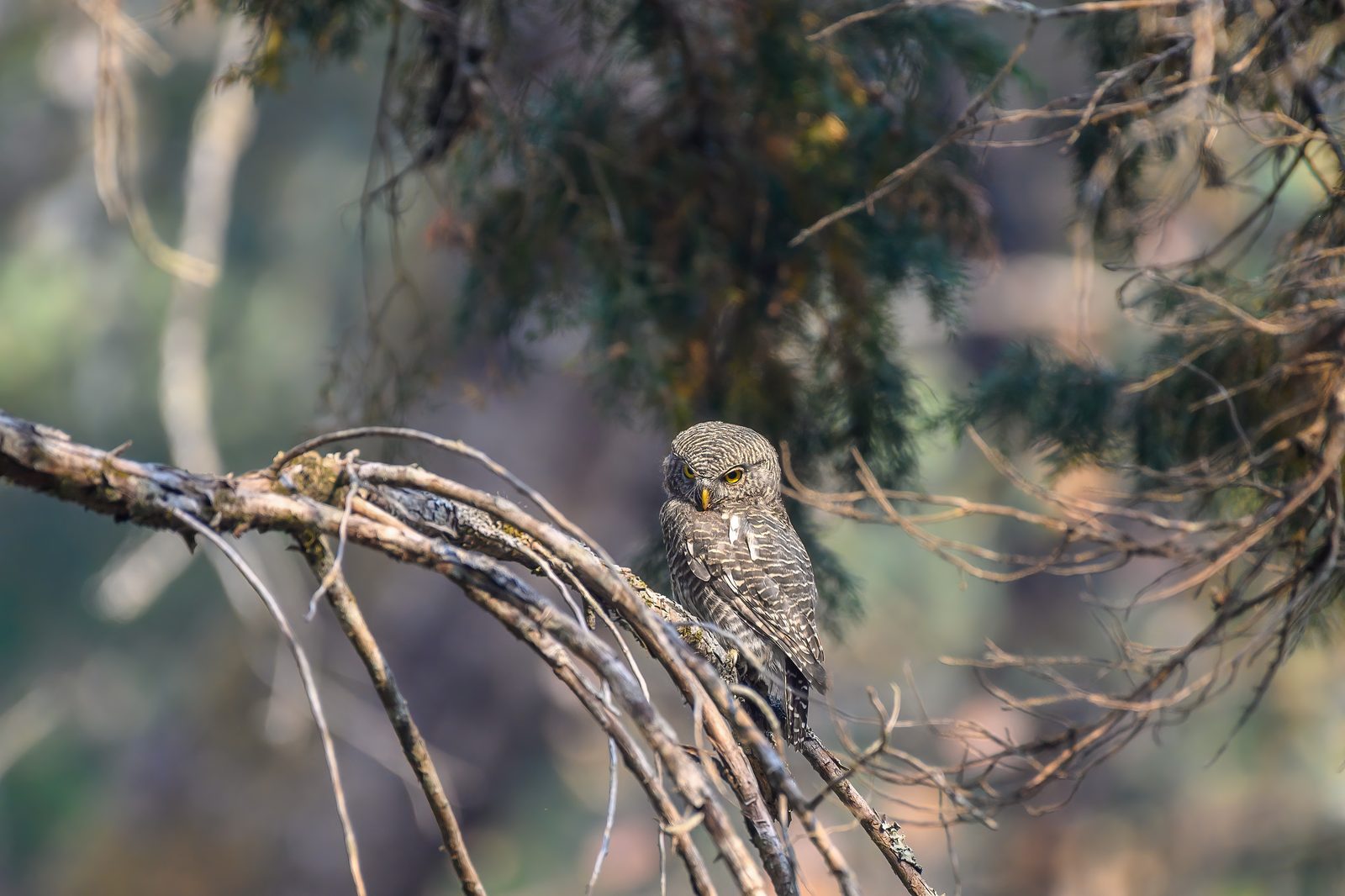
Spring's small cast
Between the dippers and the wood owl we found, almost as bonuses: a Spotted Forktail working a tributary in green-gold afternoon light; a Streaked Laughingthrush making the entire ridge sound busier than it was; a Grey-headed Canary Flycatcher — the world's most reliable fidget — refusing to sit on a single branch for longer than a heartbeat.
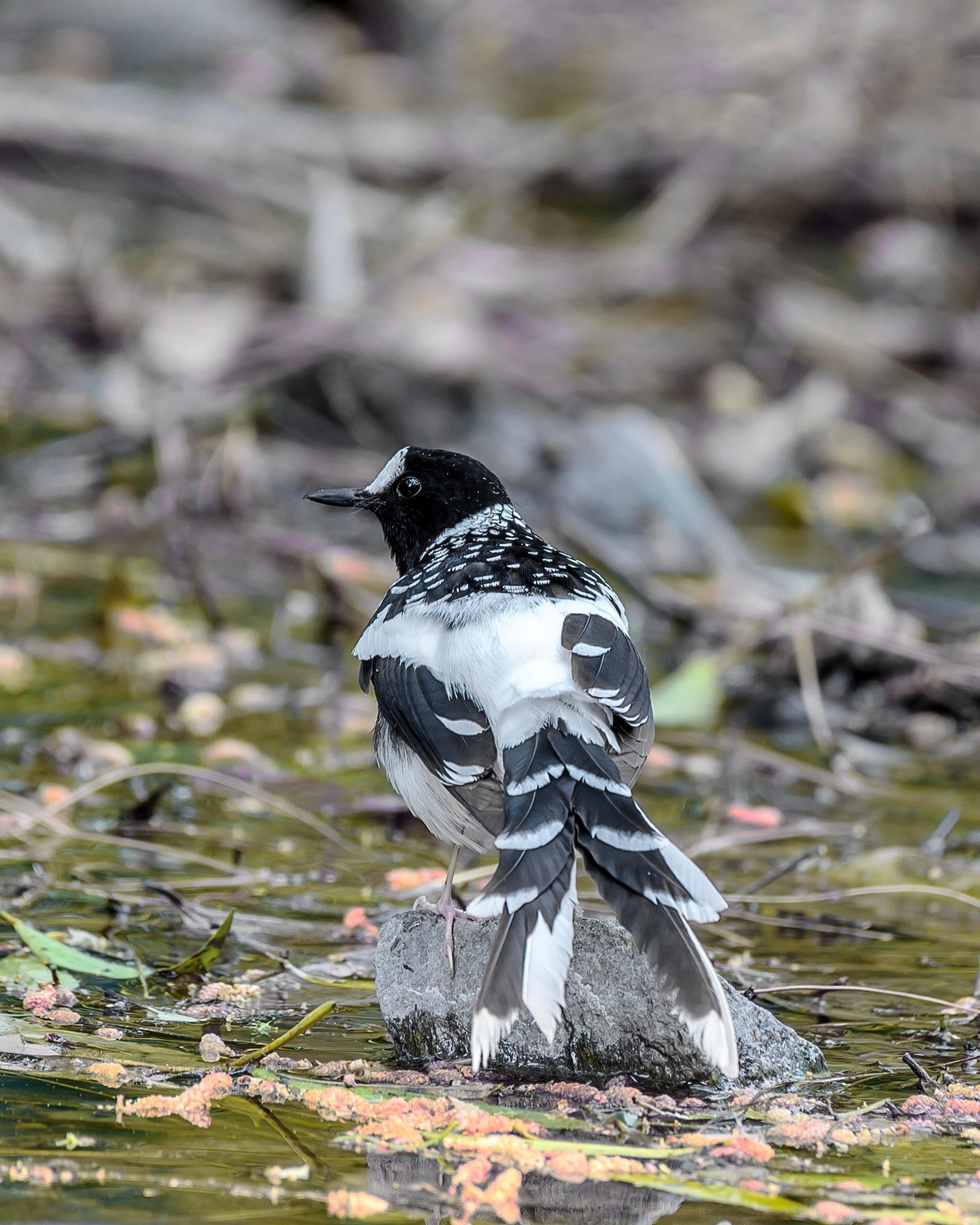
Sattal's December is a long, contemplative cold. April is shorter, brighter, more theatrical. Both are extraordinary; but the spring forest, with its new green and its sudden colour, has its own particular gift: it is a forest in motion. You don't sit still and wait for it. You walk, slowly, and let it surprise you.
Want to walk this trail?
Sattal Birding
If this story made you want to plan a similar journey, send me a quick message on WhatsApp. I'll come back with dates, a vehicle plan, and a quote tailored to your camera and your calendar.